
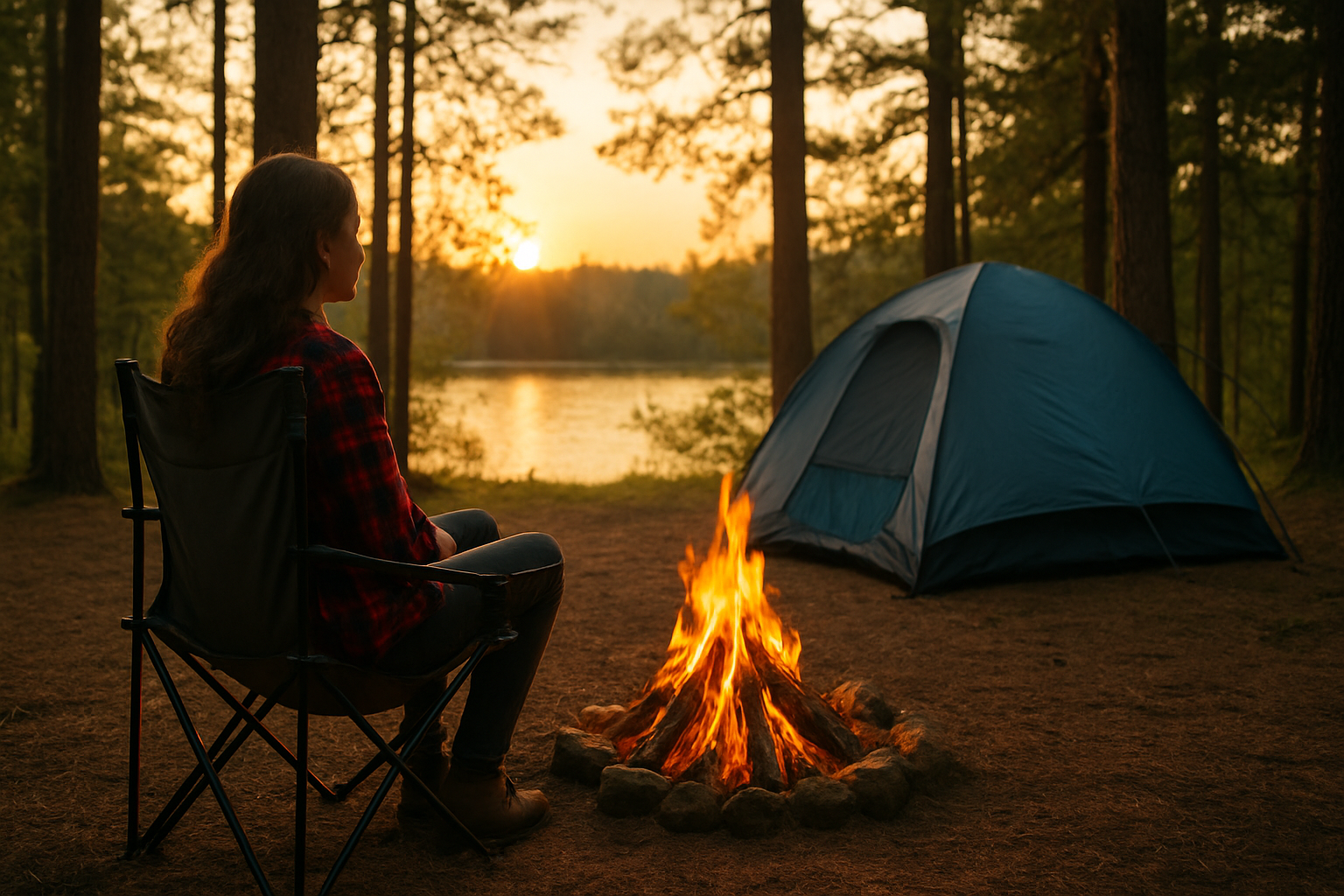
The Hidden Benefits of Camping for Mental Health
Camping has long been celebrated as a recreational activity that connects people with nature. While many associate it with adventure, fresh air, and outdoor survival skills, its profound impact on mental health is often overlooked. In an age where digital screens dominate daily life and stress levels are at an all-time high, camping offers a unique opportunity to reset the mind, restore emotional balance, and strengthen resilience.
This article explores the hidden mental health benefits of camping, explaining how time in nature can reduce anxiety, improve mood, enhance sleep quality, and even foster stronger social bonds.
Escaping the Overstimulation of Modern Life
Modern society is characterized by constant stimulation—smartphones buzzing with notifications, 24/7 access to news, and endless digital entertainment. This overstimulation leaves little room for reflection and calm, often contributing to stress and burnout.
Camping, by contrast, removes individuals from this cycle. The absence of constant digital input allows the brain to relax, recharge, and focus on the present moment. Research has shown that even short breaks from technology can reduce stress hormones, improve attention span, and boost overall well-being.
Nature as a Stress Reliever
Spending time in green spaces has a measurable impact on stress reduction. The natural sounds of birds, rustling leaves, and flowing water create a calming effect, lowering cortisol levels and heart rate. Unlike artificial urban environments, which can trigger anxiety and sensory overload, natural settings promote relaxation and emotional clarity.
Camping amplifies these benefits by immersing individuals fully in nature. Without walls or city noise, campers experience a level of tranquility that is difficult to replicate elsewhere. For many, this leads to improved emotional regulation and a renewed sense of peace.
Improved Sleep Cycles
One of the most overlooked benefits of camping is its ability to reset natural sleep patterns. In modern life, artificial lighting and excessive screen time disrupt circadian rhythms, leading to poor-quality sleep. Camping, however, aligns individuals with natural light cycles, encouraging earlier bedtimes and deeper rest.
Exposure to sunlight during the day helps regulate melatonin production, the hormone responsible for sleep. Campers often report waking up more refreshed, with improved energy levels that last even after returning home.
Strengthening Social Connections
Camping is often a group activity, whether with family, friends, or organized communities. Sharing experiences such as setting up tents, cooking outdoors, or sitting around a campfire fosters teamwork and strengthens relationships.
These social connections are vital for mental health. Humans are inherently social beings, and strong relationships provide emotional support, reduce feelings of loneliness, and enhance resilience against stress. For seniors and individuals prone to isolation, camping can be a powerful way to reconnect with others.
Boosting Self-Confidence and Resilience
Camping frequently involves tasks that require problem-solving, adaptability, and practical skills. Building a fire, navigating trails, or handling unexpected weather challenges push individuals outside their comfort zones.
Successfully overcoming these challenges provides a sense of accomplishment and boosts self-confidence. The resilience built in outdoor environments often transfers into daily life, making individuals more capable of handling stress and adversity.
Mindfulness and Presence
In nature, distractions fade, and people become more attuned to their surroundings. The smell of pine, the warmth of the sun, or the crackling of a campfire anchor individuals in the present moment. This practice of mindfulness—being fully aware and engaged in the here and now—has been proven to reduce anxiety and depression.
Camping naturally encourages mindfulness, as tasks require attention and presence. Whether hiking, fishing, or simply observing the night sky, campers often experience deep states of calm and gratitude.
The Role of Physical Activity
Camping usually involves physical activities like hiking, swimming, or cycling, all of which release endorphins, the body’s natural mood enhancers. Regular exercise is closely linked to improved mental health, reducing symptoms of anxiety and depression while boosting overall energy levels.
Unlike gym workouts, physical activity in nature feels less forced and more enjoyable. The combination of exercise and outdoor exposure enhances both mental and physical well-being in ways that indoor environments cannot replicate.
Long-Term Benefits of Regular Camping
While a single camping trip can provide immediate mental health benefits, making camping a regular activity amplifies its long-term effects. Those who camp frequently often report higher levels of happiness, stronger resilience, and improved overall life satisfaction.
Parents who camp with children also pass on valuable lessons about nature, resilience, and mental balance, instilling lifelong habits that promote well-being.
Conclusion
Camping is more than just an outdoor adventure—it is a powerful tool for mental health. By reducing stress, improving sleep, strengthening social bonds, and promoting mindfulness, camping provides a holistic approach to emotional well-being.
In a world dominated by screens and urban stressors, the call of the wild is not just recreational but therapeutic. Whether for a weekend or an extended trip, stepping into nature through camping can restore balance, refresh the mind, and create lasting improvements in mental health.