
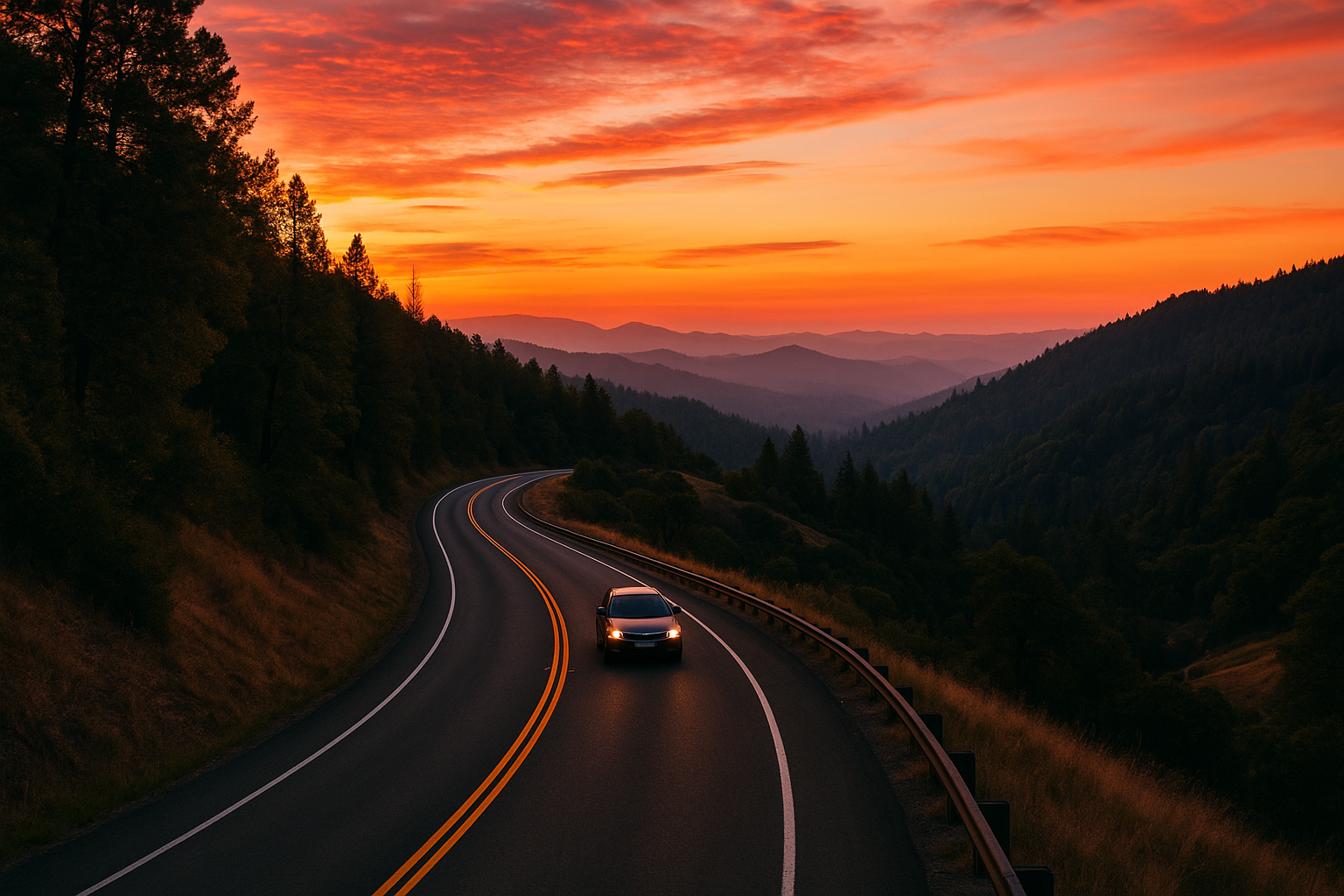
The Charm of Scenic Detours: Why the Long Way Can Be the Best Part of a Road Trip
Modern navigation apps are designed to find the quickest and most efficient routes, guiding drivers straight to their destinations with minimal delay. Yet, road trips have never been solely about efficiency. They are about discovery, exploration, and the joy of the unexpected. Taking scenic detours—the longer, less direct roads—adds richness to the journey that no highway can provide. Far from being wasted time, these diversions often become the most memorable parts of a road trip.
The Allure of the Unexpected
Detours transform a straightforward journey into an adventure. When travelers step off the main route, they open themselves to landscapes and communities they might otherwise miss. A winding road through rolling hills, a coastal stretch with panoramic ocean views, or a quiet village filled with local traditions can turn a simple trip into an unforgettable experience.
The unexpected is what gives detours their magic. Stumbling upon a hidden waterfall, discovering a family-run café, or driving through a scenic valley at sunset creates stories that remain long after the trip ends. These surprises remind travelers that the journey itself is just as valuable as the destination.
Connecting with Local Culture
Highways are built for speed, often bypassing the heart of towns and villages. Scenic detours, however, lead travelers straight into the life of a region. Stopping at a roadside farm stand, visiting a local festival, or exploring a historic main street allows travelers to experience authentic culture that no travel guide can fully capture.
These encounters foster a deeper connection to the places passed along the way. Supporting local businesses and interacting with residents also brings a sense of contribution, making the trip more meaningful. For many, these moments of genuine cultural exchange define the true spirit of travel.
A Deeper Appreciation of Nature
Nature reveals itself differently on scenic detours than on highways. Slower roads often follow the natural contours of the land, passing through forests, alongside rivers, or across mountain ridges. These environments invite travelers to stop, breathe, and appreciate the beauty of their surroundings.
Seasonal changes are especially vivid on these routes. Autumn detours offer fiery foliage, spring roadsides bloom with wildflowers, and winter landscapes provide serene, snow-covered vistas. These sights are often missed when rushing along the main highway, but detours encourage travelers to pause and absorb the shifting beauty of the natural world.
Emotional Benefits of Slowing Down
Scenic detours are not only about external landscapes but also about inner journeys. Slowing down the pace of travel fosters reflection, creativity, and connection. With fewer cars on the road, conversations flow more easily, and moments of silence feel more profound. For solo travelers, the calm rhythm of the road provides space for thought and self-discovery.
Taking the long way also reduces the sense of urgency that often accompanies travel. Instead of focusing on arrival times and schedules, detours encourage travelers to be present in the moment, enjoying the ride for its own sake.
Creating Memorable Stories
Years after a road trip, people rarely recall the hours spent on the highway, but they vividly remember the small detours that led to unexpected discoveries. These are the stories retold at family gatherings or shared among friends—the time a wrong turn led to a spectacular overlook, or when a scenic road revealed a hidden lake perfect for a picnic.
These memories highlight the true value of detours. They are not interruptions to the journey but rather the moments that make the journey unique. By embracing the unpredictability of the road, travelers create experiences that define their trips.
Balancing Detours with Practicality
Of course, not every road trip allows for unlimited wandering. Time, fuel, and energy all play practical roles in determining how much detouring is possible. Yet even a small detour—an extra 30 minutes to drive through a scenic byway—can enrich a journey. The key lies in balance: allowing enough flexibility in the itinerary to explore without sacrificing comfort or safety.
With a mindful approach, detours can be planned or spontaneous. Some of the best moments come from deliberate scenic routes suggested by locals, while others arise from curiosity at a fork in the road. Both forms offer value, blending planning with spontaneity.
Conclusion: Redefining the Road Trip Experience
Scenic detours remind us that road trips are not just about reaching a destination but about embracing the journey. They offer beauty, culture, reflection, and surprise—all the elements that make travel memorable. By choosing to take the long way, travelers reconnect with the essence of exploration: discovery through openness to the unknown.
In a world that prizes speed and efficiency, scenic detours invite us to slow down and savor life on the road. They are the hidden gems of travel, proving that sometimes the best way forward is the one that takes us off the beaten path.