
Chasing the Northern Lights Beyond the Arctic Circle: Experiences, Impressions, and Routes in Iceland, Svalbard, and Lapland
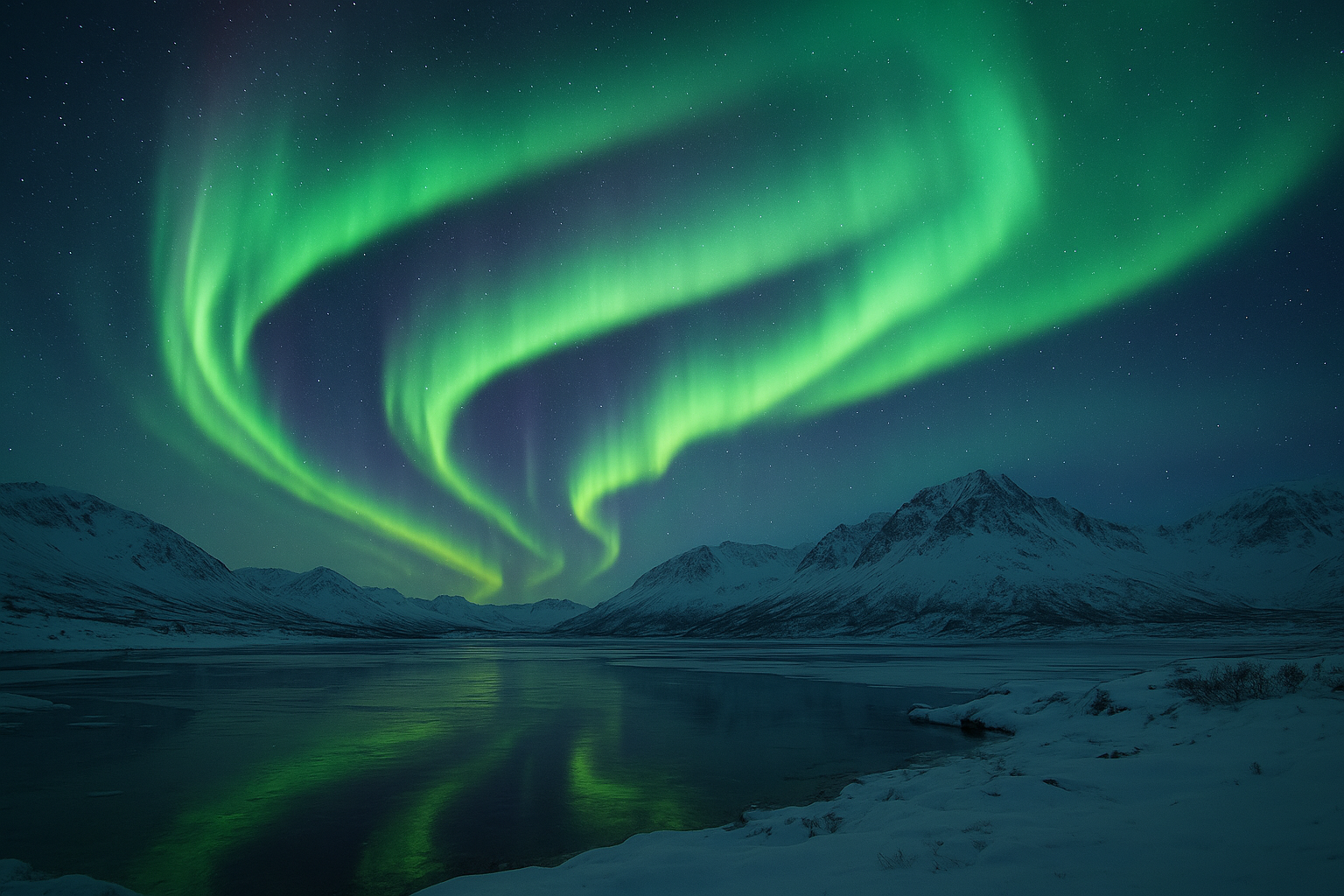
Few natural phenomena capture the imagination quite like the Northern Lights, or Aurora Borealis. This celestial dance of green, purple, and pink light ribbons across the night sky, leaving spectators breathless and deeply moved. The spectacle has inspired myths, scientific inquiry, and countless journeys northward. Witnessing the Northern Lights is more than just an item on a travel bucket list—it is a profound experience that connects human beings to the mysteries of the universe.
Venturing beyond the Arctic Circle, travelers can explore regions where the Aurora is most visible: Iceland, Svalbard, and Lapland. Each destination offers not only a chance to marvel at the lights but also unique landscapes, cultures, and adventures that turn the trip into a transformative journey.
The Science and Spirit of the Aurora
The Aurora Borealis occurs when charged particles from the sun collide with gases in the Earth’s atmosphere. These interactions produce vibrant displays of light that dance across polar skies. While science explains the phenomenon, the experience of witnessing it evokes emotions that words cannot fully capture.
For centuries, the Northern Lights were surrounded by myths. In Norse culture, they were believed to be reflections from the shields of Valkyries. In Finnish folklore, they were thought to be sparks created by a magical fox sweeping its tail across the snow. Today, while we understand the science, these stories remain part of the cultural fabric that enriches the viewing experience.
Iceland: Fire and Ice Under the Aurora
Iceland is one of the most accessible places to see the Northern Lights. From September to April, when nights are long and dark, the island becomes a magnet for travelers seeking the Aurora. Reykjavík offers a starting point, but the best views are found far from city lights.
Driving along the Golden Circle or venturing toward the Snæfellsnes Peninsula gives visitors the chance to combine Aurora hunting with dramatic landscapes of glaciers, waterfalls, and volcanic craters. For a truly unique experience, travelers often soak in geothermal hot springs under the open sky, watching the lights ripple overhead.
Beyond the lights, Iceland offers ice cave tours, glacier hikes, and explorations of lava fields, making it a destination where natural wonders converge in unforgettable ways.
Svalbard: The Arctic Wilderness
Farther north, between mainland Norway and the North Pole, lies Svalbard—one of the most remote inhabited regions on Earth. Here, the Aurora Borealis can be seen even during the day in the polar night, when the sun does not rise for months.
Svalbard’s isolation offers an unparalleled wilderness experience. Snow-covered mountains, frozen fjords, and the presence of polar bears give the journey an adventurous edge. Aurora safaris by snowmobile or dog sled immerse travelers in the raw beauty of the Arctic, where silence is broken only by the crunch of snow or the crackle of the lights above.
The remoteness of Svalbard enhances the intensity of the Northern Lights. Watching the Aurora here feels otherworldly, as if one has stepped into a realm untouched by time.
Lapland: The Enchanted North
Lapland, stretching across Finland, Sweden, and Norway, is another prime destination for Aurora seekers. The Finnish side, in particular, has built a reputation for combining comfort with natural wonder.
One of the most iconic experiences in Lapland is staying in a glass igloo or cabin with panoramic skylights, where visitors can lie in bed and watch the Aurora unfold. Reindeer sledding, husky safaris, and encounters with Sámi culture add cultural richness to the journey.
In Sweden, the famous Icehotel in Jukkasjärvi offers a unique base for Aurora watching, while Norway’s Tromsø is considered one of the world’s best Aurora-viewing cities. Each part of Lapland blends tradition, hospitality, and access to nature in ways that make the experience both magical and memorable.
Practical Tips for Aurora Hunting
While the Northern Lights are awe-inspiring, they are also elusive. Several factors determine visibility: solar activity, weather conditions, and light pollution. Travelers are advised to plan trips during peak season (late September to March), when nights are longest and skies darkest.
Patience is essential. Sometimes, the lights appear immediately; other times, waiting in the cold for hours may be required. Warm clothing, hot drinks, and a spirit of adventure make the experience more enjoyable. For photographers, tripods and long-exposure techniques are key to capturing the Aurora’s brilliance.
Most importantly, Aurora hunting should be seen as part of a larger journey. Even if the lights are faint or absent on a particular night, the Arctic landscapes and cultural encounters offer memories that are just as rewarding.
The Emotional Impact of the Northern Lights
Beyond the science and the logistics, witnessing the Northern Lights is a deeply emotional experience. Travelers often describe feelings of humility, awe, and connection to something greater than themselves. The shifting lights serve as a reminder of nature’s power and beauty, inspiring reflection and renewal.
Many who have witnessed the Aurora say the experience leaves an indelible mark, altering their perspective on the world. The vast, star-filled skies and shimmering lights evoke a sense of wonder that no photograph can truly capture.
Conclusion: A Journey Beyond Light
Experiencing the Northern Lights beyond the Arctic Circle is not just about seeing a natural phenomenon—it is about embracing adventure, immersing in local cultures, and connecting with the wild beauty of the north.
From Iceland’s volcanic landscapes to Svalbard’s frozen wilderness and Lapland’s enchanting traditions, each destination offers a unique window into the magic of the Aurora. The journey requires patience and resilience, but the reward is a moment of pure wonder under a sky alive with light.
For those who venture north, the Aurora Borealis is more than a spectacle—it is a reminder that the world is full of mysteries waiting to be discovered.