
Unexpected Detours: How Spontaneity Can Make Your Road Trip Memorable
Most travelers approach road trips with carefully crafted itineraries—maps marked, routes calculated, and every stop meticulously planned. While there’s comfort in structure, some of the most unforgettable moments on the road happen when plans fall apart. A sudden detour, an unplanned stop at a roadside diner, or a wrong turn that leads to a hidden viewpoint—these are the moments that transform a simple trip into a story worth retelling.
Spontaneity, often seen as a risk, can actually be the heartbeat of adventure. It invites the unexpected, opens the door to serendipity, and teaches travelers to embrace imperfection as part of the experience. When you allow yourself to wander beyond the plan, you give the road permission to surprise you.
The Allure of the Open Road
Road trips hold a special place in the imagination. They symbolize freedom—the ability to go anywhere, stop whenever, and follow curiosity wherever it leads. Yet many travelers confine that freedom within rigid schedules. Ironically, by planning every minute, we often miss the magic that arises in the spaces between destinations.
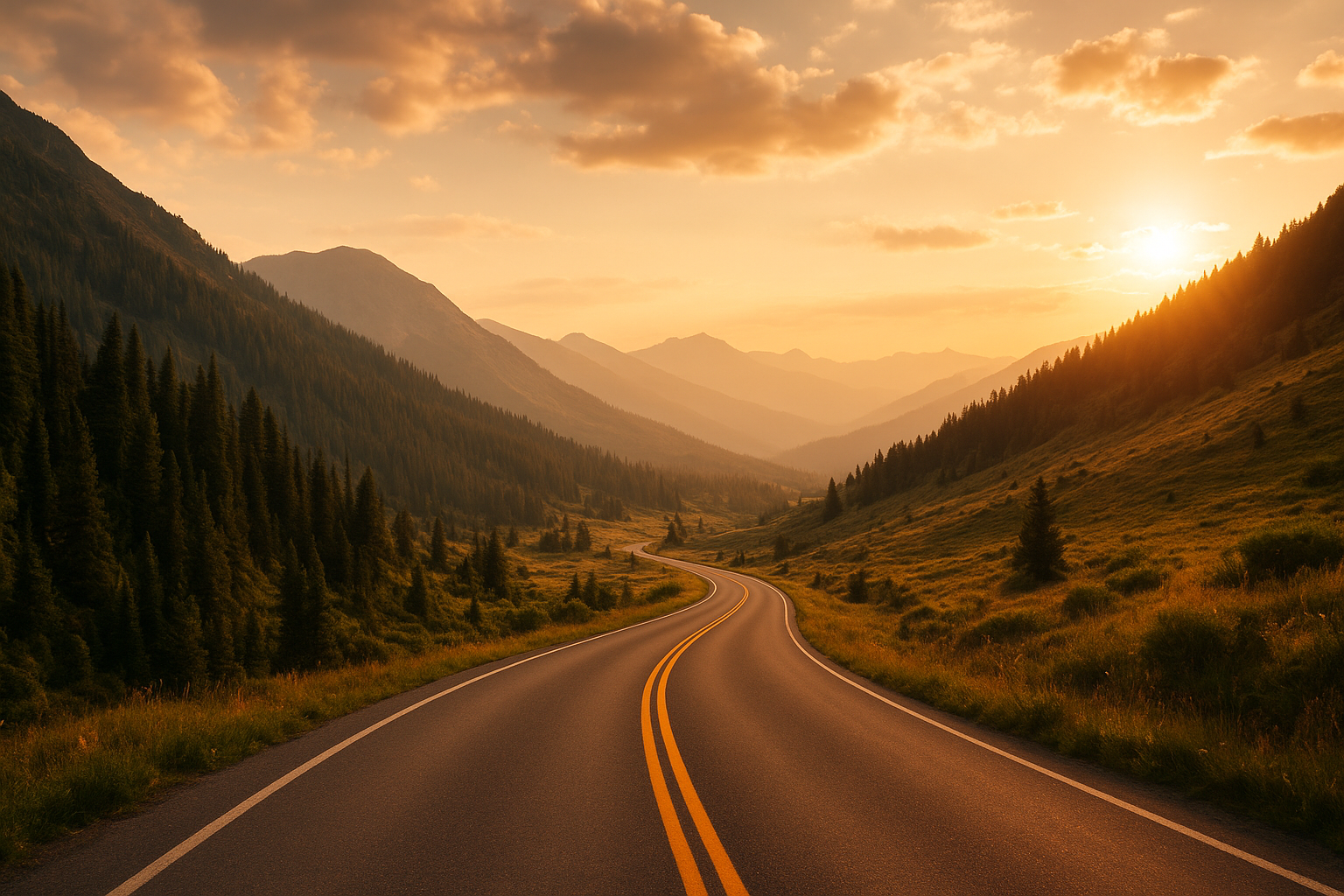
Imagine driving through a quiet mountain pass when you spot a small sign: Scenic Overlook – 1 Mile Ahead. You hesitate—this wasn’t on your itinerary. But you pull over anyway, and suddenly, the landscape opens into a panoramic view of valleys bathed in golden light. You sit in silence, realizing that if you had stayed on schedule, you would have missed this moment entirely.
This is the essence of spontaneity: letting go of control long enough to experience something new, authentic, and unforgettable.
When Things Don’t Go as Planned
Every traveler has faced it—a flat tire in the middle of nowhere, an unexpected road closure, a thunderstorm that forces you to pull over. In the moment, frustration can cloud perspective. But often, these disruptions become the most memorable parts of the journey.
Consider the traveler who takes a detour around a washed-out bridge and stumbles upon a family-run bakery serving the best pie they’ve ever tasted. Or the group of friends who, after missing a turn, find themselves camping beside a quiet lake under a blanket of stars.
The road teaches an important lesson: not every setback is a loss. Sometimes, detours are invitations—to slow down, to explore differently, to connect more deeply with the places and people along the way.
The Psychology of Spontaneity
Psychologists have long noted that spontaneous experiences contribute significantly to happiness and memory retention. Novelty stimulates dopamine release in the brain, creating stronger emotional imprints. This means the unexpected moments of a trip—the ones that surprise and delight us—are the ones we remember most vividly.
When you step outside the script of your itinerary, you engage more fully with your surroundings. You’re not just ticking boxes—you’re participating in an unfolding story. This openness also fosters adaptability, teaching travelers to find calm in uncertainty and beauty in imperfection.
Finding Balance Between Planning and Freedom
Spontaneity doesn’t mean abandoning all structure. Successful road trips blend preparation with flexibility. A good map, a reliable vehicle, and a general route are essential—but beyond that, leaving room for discovery enhances the journey.
One practical approach is to plan broad regions or daily goals rather than specific stops. For example, instead of deciding where you’ll eat lunch, decide when you’ll look for a local spot. Instead of booking every night’s accommodation in advance, leave a few evenings open to stay where the scenery captures your heart.
Even within a planned route, spontaneous detours—whether it’s following a roadside sign for a local festival or stopping to photograph a breathtaking sunset—keep the spirit of adventure alive.
Encounters on the Road: The Human Element
Spontaneity often leads to genuine human connections. Road trips through small towns and rural routes reveal communities that might otherwise go unnoticed. A chance conversation with a local farmer, a chat with a café owner, or meeting fellow travelers at a campground can add emotional depth to your journey.
These encounters remind us that travel is not just about landscapes—it’s about stories. Each person you meet becomes part of your journey, offering perspectives that maps and guidebooks can’t provide. Many lifelong friendships begin with something as simple as sharing directions or a pot of coffee on a foggy morning.
Embracing Nature’s Surprises
The natural world, too, rewards spontaneity. Weather changes, wildlife sightings, or seasonal events can transform a routine drive into something extraordinary. Imagine taking an unplanned coastal route and catching sight of dolphins playing offshore, or stopping at a field just as wildflowers bloom after a rain.
Being spontaneous allows you to be present—to witness moments that can’t be scheduled or replicated. These experiences root you in the now, reminding you that travel is as much about the journey as it is about the destination.
Stories That Live Beyond the Road
When travelers return home, it’s rarely the meticulously planned moments they recount with excitement. Instead, it’s the detours—the surprise concert in a town square, the unmarked waterfall discovered after a wrong turn, the strangers who offered help when the car broke down.
These moments become stories that grow richer with time. They represent resilience, curiosity, and a willingness to embrace the unknown. A spontaneous road trip moment isn’t just a memory—it’s proof that the best adventures often begin with uncertainty.
Tips for Embracing Spontaneity Safely
While spontaneity thrives on freedom, a few simple precautions help ensure your detours remain enjoyable.
Keep essentials like food, water, a first aid kit, and navigation tools handy. Download offline maps in case you lose signal. Let someone know your general route and expected check-in times. With these basics covered, you can explore freely without worry.
Safety enables true spontaneity—when you’re prepared for the unexpected, you can enjoy it fully. The goal is not to eliminate unpredictability, but to create space where it becomes exciting rather than stressful.
Conclusion: Let the Journey Lead You
A road trip is not a race to a destination—it’s a collection of moments that define who we are when we step beyond routine. Spontaneity breathes life into the open road, turning each mile into a possibility.
When we surrender to the unknown, we rediscover the joy of exploration and the wonder of the present moment. The next time you find yourself behind the wheel, resist the urge to rush. Take the scenic route, follow that mysterious dirt road, or stop when the landscape calls to you.
Because sometimes, the best parts of any journey are not the ones we plan—but the ones that find us along the way.