
The Science of Jet Lag: How to Reset Your Internal Clock After Crossing Time Zones
Few travel discomforts are as universally dreaded as jet lag. That disorienting fog, the sleepless nights, and the dragging fatigue can turn even the most exciting adventures into endurance tests. But jet lag isn’t merely “being tired”; it’s a physiological disruption of the body’s circadian rhythm — our internal clock. Understanding how this system works is the key to managing it effectively.
What Jet Lag Really Is
Your circadian rhythm regulates sleep, hormone production, and even digestion according to a roughly 24-hour cycle. When you travel across multiple time zones, your internal clock lags behind local time. This mismatch causes symptoms such as insomnia, daytime drowsiness, poor concentration, and irritability.
Jet lag is worse when traveling east since you’re effectively losing hours — forcing your body to sleep earlier than it’s used to. Traveling west feels slightly easier, as you’re extending your day.
How Long It Takes to Adjust
Typically, the body adjusts by about one hour per day. For instance, after crossing six time zones, full adaptation may take nearly a week. However, individual factors like age, lifestyle, and sleep quality can accelerate or slow recovery.
The Biological Mechanics Behind Jet Lag
At the heart of the issue lies melatonin, a hormone that signals when it’s time to sleep. Light exposure, particularly blue light, regulates its production. Disrupted light patterns — as when flying overnight or arriving in daylight after a long flight — confuse this system.
Cortisol, another hormone, adds complexity. It’s linked to alertness and peaks in the morning. When cortisol and melatonin signals clash, you feel “awake but exhausted.”
Pre-Flight Preparation
Minimizing jet lag begins before takeoff. Gradually shifting your sleep schedule two to three days before travel helps. If flying east, go to bed and wake earlier; if west, stay up later. Hydration is crucial too — airplane cabins cause dehydration that worsens fatigue. Avoid caffeine and alcohol in the 12 hours before your flight, as both interfere with circadian stability.
In-Flight Strategy
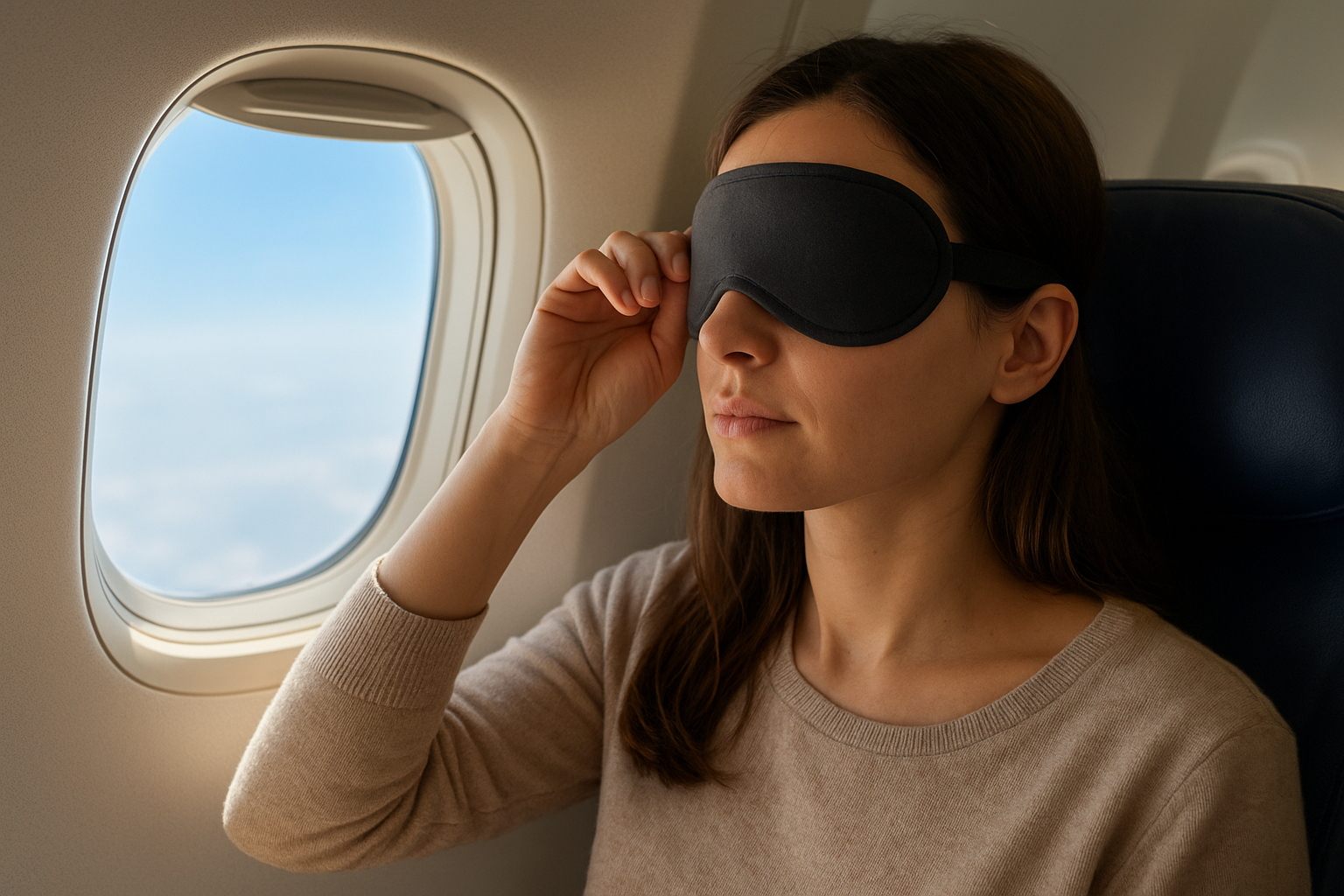
During your flight, set your watch or phone to the destination time zone immediately. This mental adjustment encourages your body to follow suit. Eat lightly — digestion slows during long flights. If you plan to sleep, use an eye mask and earplugs to block sensory stimuli.
Movement also matters. Short walks or stretches every hour promote blood circulation and help prevent stiffness and swelling.
The Role of Light Exposure
The single most effective way to reset your internal clock is through strategic light exposure. Morning sunlight helps when traveling east, while evening light is beneficial when heading west. Natural light is best, but artificial light therapy boxes can also help frequent travelers.
Inversely, avoid light at inappropriate times. Sunglasses and blackout curtains are powerful tools for signaling “nighttime” to your brain, even when local daylight disagrees.
Melatonin and Natural Remedies
Melatonin supplements can ease the transition, particularly when traveling east. A small dose (0.5–3 mg) taken an hour before the new bedtime can realign your sleep cycle. However, it’s best to consult a doctor for personalized guidance.
Natural alternatives like valerian root, chamomile tea, and magnesium can also promote rest without dependency.
Nutrition’s Subtle Influence
Food timing influences circadian rhythm too. Eating meals in sync with local hours helps the body adapt faster. Opt for protein-rich breakfasts to boost alertness and lighter dinners to promote sleep. Avoid heavy or spicy meals late at night, as digestion interferes with rest.
Sleep Hygiene at the Destination
Once you arrive, resist the temptation to nap excessively. Short power naps (20–30 minutes) can help, but long daytime sleep deepens jet lag. Expose yourself to sunlight, eat at local mealtimes, and stay active during the day.
Establishing a bedtime ritual — dim lights, warm shower, and no screens — signals your brain to release melatonin. Even one consistent night of quality rest can dramatically accelerate adaptation.
The Psychological Aspect
Jet lag also has a mental component. Travelers who expect severe fatigue often experience it more intensely. Positive anticipation, mindfulness, and gentle pacing can mitigate the psychological drag.
Practices such as meditation or deep breathing exercises calm the nervous system, reducing anxiety and promoting quicker recovery.
Technology to the Rescue
Modern travelers can leverage tech to beat jet lag. Apps like Timeshifter and Entrain calculate optimal sleep and light exposure schedules based on flight details. Wearables that monitor sleep patterns can also help track adjustment progress.
Some high-end airlines even integrate lighting systems designed to mimic natural sunlight transitions, subtly preparing passengers’ circadian rhythms mid-flight.
Long-Term Adaptation for Frequent Flyers
For frequent travelers, maintaining consistency amid constant change is key. Prioritize hydration, balanced nutrition, and sufficient rest between trips. Practicing yoga or meditation enhances body awareness, allowing quicker adaptation to new time zones.
Seasoned travelers also learn to align work or meetings with their peak energy times in the new location, minimizing performance dips.
Conclusion
Jet lag may be an inevitable part of crossing time zones, but it doesn’t have to define your travel experience. With knowledge of circadian rhythms, smart preparation, and mindful adjustment, you can step off the plane refreshed instead of drained.
Ultimately, mastering jet lag isn’t about fighting biology — it’s about working with it. By listening to your body, respecting its rhythms, and adapting with intention, every journey can begin not in exhaustion but in renewed vitality.