
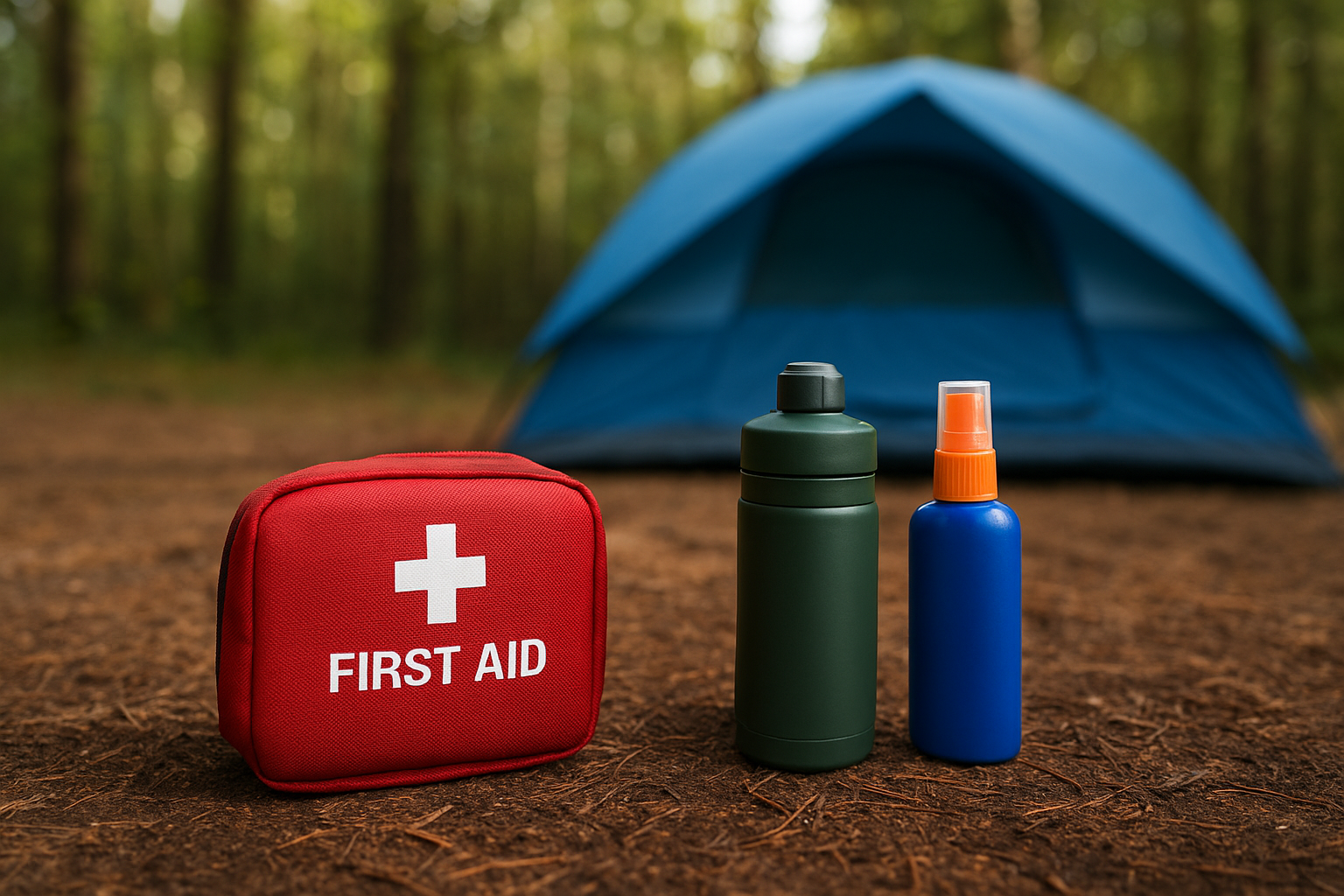
Camping & Health Essentials: The Ultimate Guide to First Aid, Insect Protection, and Staying Hydrated in the Wild
Camping promises freedom, peace, and a break from the pace of daily life, yet it also places the body in an environment where small mistakes can quickly escalate into serious problems. A forgotten bandage, a missing repellent, or inadequate water intake may turn an otherwise perfect trip into a risky or uncomfortable experience. Understanding the health basics of camping—first aid, insect prevention, and hydration—ensures not only safety but a more enjoyable outdoor adventure. Preparing correctly does not remove spontaneity; rather, it strengthens your ability to explore nature confidently and sustainably.
Building the Perfect First Aid Kit for Camping
A camping first aid kit should always be more comprehensive than the one you keep at home. Natural landscapes contain variables that urban environments do not: rough terrain, insects, unpredictable weather, and limited access to professional medical help. This makes preparation essential. The core of a reliable first aid kit includes sterile gauze, adhesive bandages, antiseptic wipes, antibiotic ointment, blister pads, tweezers, and medical tape. These items cover the basics—small cuts, splinters, abrasions, and foot injuries that are extremely common during hikes.
Beyond the basics, a strong camping kit includes tools to respond to more complicated scenarios. Elastic bandages help support sprained ankles or wrists after missteps on rocky trails. A digital thermometer, although small, can help monitor heat exhaustion or identify early signs of hypothermia. Pain relievers and anti-inflammatory medication help control swelling after accidental falls or insect bites. If camping with a group, consider individual medical needs: allergies, chronic conditions, or medications requiring storage. Some campers carry epinephrine auto-injectors due to severe allergies, and wilderness trips often make these devices critical since emergency help may take hours to reach you.
A first aid manual or a waterproof card outlining emergency procedures can be invaluable for beginners. Knowing how to disinfect a wound, stabilize a limb, or evaluate dehydration symptoms provides clarity during urgent moments. Even experienced hikers benefit from written reference materials when under stress. Waterproof storage keeps items usable during storms or river crossings, protecting the kit from moisture and contamination.
Defending Yourself From Insects: A Critical Health Priority
Insects are a natural part of outdoor landscapes, but some carry risks that require proactive defense. Mosquitoes, ticks, and biting flies are more than just annoyances—they can transmit diseases, trigger allergies, or cause painful reactions. Proper prevention begins with choosing an effective repellent. Products containing DEET, picaridin, or oil of lemon eucalyptus offer proven protection. Natural repellents are appealing, but they often require more frequent reapplication and may be less reliable in high-risk environments.
Clothing acts as another essential line of defense. Long sleeves, lightweight fabrics, and light-colored materials make it easier to spot ticks. Some adventurers choose to treat clothing with permethrin, a synthetic compound that repels ticks and mosquitoes. Shoes and socks should always be checked after walking through tall grass or wooded areas, as ticks attach easily and climb upward seeking warm skin.
Campsite management also significantly impacts insect exposure. Avoid pitching tents near standing water, dense brush, or tall weeds, which serve as breeding grounds for mosquitos and hideouts for ticks. Use tent screens properly and repair any small tears quickly. At night, campfires help reduce mosquito presence temporarily, but they are not a complete solution. Keep repellents, citronella candles, and protective gear accessible so they can be used immediately when insects become active at dusk.
Hydration in Nature: Preventing Dehydration Before It Starts
Dehydration remains one of the most underestimated dangers during camping trips. Even mild dehydration affects judgment, energy levels, mood, and coordination—all abilities needed for navigating trails safely. In hot weather, dehydration escalates rapidly, but cold temperatures are also risky because people often forget to drink water when they don’t feel thirsty. A good guideline is to drink small amounts consistently throughout the day rather than waiting until thirst develops.
Carrying sufficient water is only one part of the strategy. Understanding how to safely collect and treat natural water sources expands your options during longer trips. Boiling remains the most reliable method for killing pathogens. For hikers seeking convenience, portable water filters or purification tablets are practical alternatives. Hydration packs encourage steady sipping during hikes, while collapsible bottles reduce weight in backpacks.
Electrolytes are also essential, especially during long days in the sun or high-altitude camping. Sweating depletes sodium, potassium, and other minerals necessary for healthy muscle and nerve function. Electrolyte powders or tablets are lightweight, portable, and help maintain balance. Symptoms of dehydration—headache, dizziness, dry mouth, rapid heartbeat—should be taken seriously. In severe cases, rest in shade, consume fluids slowly, and avoid strenuous activity until recovery.
Hygiene Practices for Clean and Safe Camping
Maintaining hygiene outdoors contributes directly to health and comfort. Handwashing remains the first line of defense against gastrointestinal issues, especially before cooking or eating. Biodegradable soaps allow eco-conscious cleansing while minimizing environmental harm. Alcohol-based sanitizers work well when water is scarce.
Proper waste disposal protects both people and wildlife. Food scraps attract animals, increasing the risk of encounters. Store food in sealed containers and remove trash daily. Keeping shared surfaces clean, such as cooking areas or picnic tables, reduces bacteria buildup. In multi-day trips, cleaning reusable dishes thoroughly prevents stomach discomfort or infections.
Conclusion: Preparation Turns Camping Into a Safe Adventure
Camping offers a rare opportunity to disconnect from technology and reconnect with nature. The experience becomes richer—and safer—when health risks are addressed proactively. A strong first aid kit brings peace of mind, insect protection preserves comfort and safety, and thoughtful hydration keeps the body functioning at its best. With proper hygiene and awareness, the wilderness becomes a welcoming, restorative place. Preparedness does not restrict adventure; it empowers it, transforming each camping trip into a confident journey through the outdoors.