
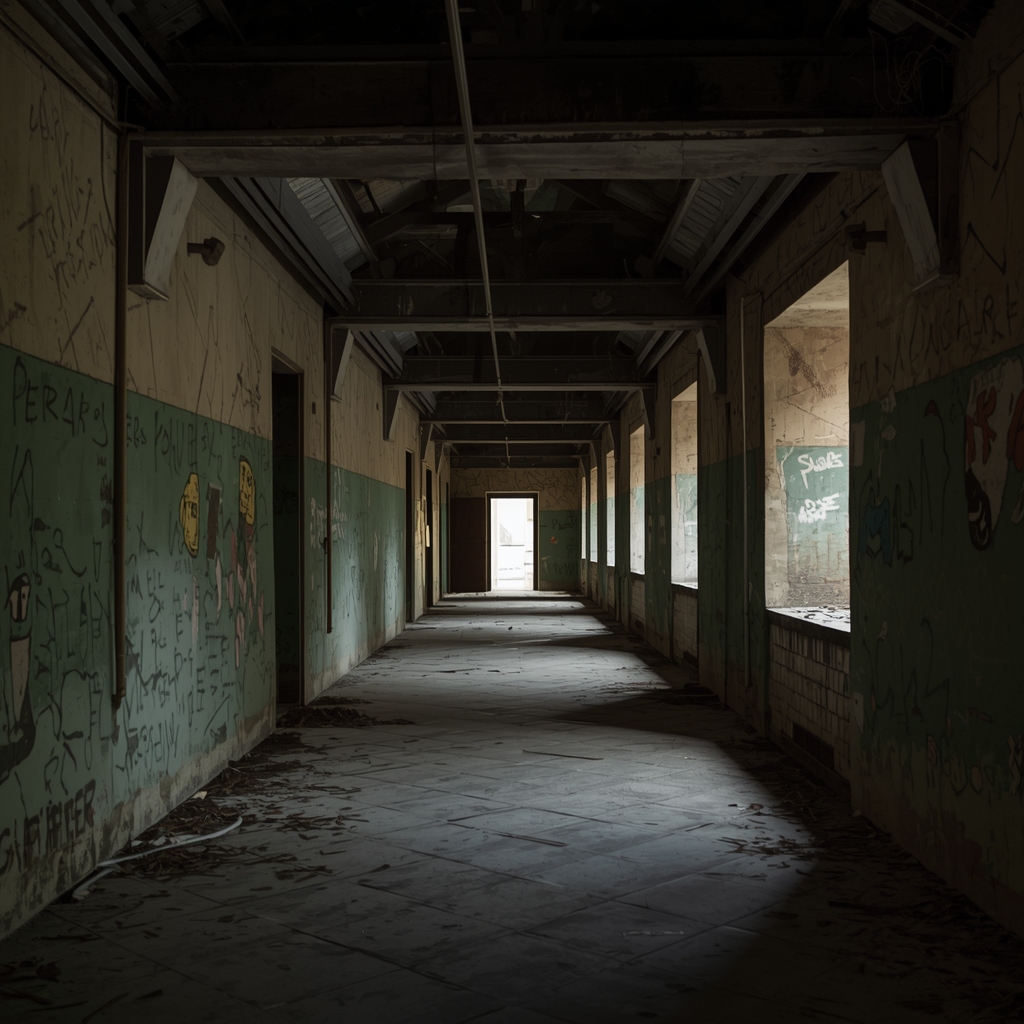
Abandoned Cities: Urban Echoes of Time — A Photographic Narrative of Silence, Memory, and Atmosphere
There is a unique and haunting beauty in abandoned cities, places where human presence has vanished but its imprint remains deeply embedded in every wall, street, and broken window. These urban landscapes, once alive with movement, now exist in a suspended state between past and present. Walking through such spaces feels like stepping into a paused moment, where time no longer flows in a linear direction but lingers in fragments.
Cities like Pripyat, Craco, and Kolmanskop are more than geographic locations; they are emotional environments. Their empty buildings and overgrown streets tell stories without words, inviting observers to imagine the lives that once unfolded there. The absence of people amplifies every detail, from peeling paint to rusted metal, transforming ordinary structures into powerful symbols of impermanence.
Architecture in Decay
Abandoned cities reveal a raw and unfiltered side of urban architecture. Without maintenance or restoration, buildings begin to transform under the influence of natural forces. Concrete cracks, metal corrodes, and vegetation slowly reclaims space that once belonged to human design. This process of decay is not merely destruction; it is a form of transformation where nature and structure merge into a new visual language.
In these environments, light plays a crucial role. Sunlight filtering through broken roofs or shattered windows creates dramatic contrasts, illuminating dust-filled air and casting long shadows across empty rooms. Each space becomes a living composition, constantly changing with the movement of the sun and the shifting weather.
The Atmosphere of Abandonment
What defines abandoned cities most strongly is their atmosphere. It is a combination of silence, stillness, and subtle movement. The wind passing through corridors, the distant sound of loose objects shifting, or the echo of footsteps creates an immersive sensory experience. Unlike active cities filled with noise and urgency, these places invite slow observation and reflection.
The atmosphere often carries a sense of mystery. Questions arise naturally: why was this place left behind, what happened to its inhabitants, and what stories remain hidden within its walls? These unanswered questions contribute to the emotional depth of such locations, making them compelling subjects for photographers, artists, and explorers.
Nature’s Return
One of the most striking aspects of abandoned cities is the gradual return of nature. Plants grow through cracks in pavement, trees take root in forgotten courtyards, and wildlife begins to inhabit areas once dominated by humans. This process demonstrates the resilience of natural systems and their ability to adapt and reclaim space.
In places like Kolmanskop, sand slowly fills buildings, reshaping interiors into surreal landscapes where architecture and desert coexist. In other regions, dense vegetation envelops entire neighborhoods, turning them into hidden forests. These transformations blur the boundaries between urban and natural environments, creating scenes that feel both familiar and otherworldly.
Memory and Human Presence
Despite their emptiness, abandoned cities are deeply connected to human memory. Objects left behind—furniture, photographs, personal belongings—serve as silent witnesses to past lives. These remnants create a powerful emotional connection, reminding us that these places were once homes, workplaces, and centers of community.
The absence of people does not erase their presence; instead, it amplifies it. Every detail becomes more significant, encouraging viewers to imagine the stories that unfolded within these spaces. This connection between absence and memory is what gives abandoned cities their profound emotional impact.
A Visual Narrative Without Words
Abandoned cities function as a form of visual storytelling. Each location offers a unique narrative shaped by its history, environment, and current state. Photographs taken in these places often resemble scenes from a forgotten world, where time has slowed and reality feels distant.
The interplay of light, texture, and space creates compositions that evoke both beauty and melancholy. These images do not require explanation; they communicate directly through atmosphere and detail. The viewer becomes an active participant, interpreting the scene and constructing meaning from what is seen.
Conclusion
Abandoned cities stand as powerful reminders of the transient nature of human existence. They are places where history, environment, and emotion converge, creating spaces that are both visually striking and deeply reflective. Through their silence and decay, they offer a unique perspective on time, memory, and the relationship between humanity and the world it builds.