
Camping with Children: How to Make Outdoor Adventures Comfortable, Fun, and Safe
Camping can be one of the most rewarding experiences for families. It offers children an opportunity to disconnect from screens, explore the natural world, develop practical skills, and create lasting memories with parents and siblings. For adults, camping provides a chance to slow down, strengthen family bonds, and introduce children to experiences that are often difficult to replicate in everyday life. However, camping with children requires considerably more preparation than a typical outdoor trip for adults. Comfort, safety, entertainment, and realistic planning all play essential roles in determining whether the experience becomes a treasured family tradition or a stressful challenge.
Successful family camping does not depend on traveling to remote wilderness areas or undertaking difficult expeditions. In many cases, the most enjoyable trips are those that balance adventure with convenience, especially when younger children are involved. By choosing appropriate destinations, preparing thoroughly, and understanding the unique needs of children, families can create outdoor experiences that are both enjoyable and safe.
Choosing the Right Camping Destination
One of the most important decisions is selecting a suitable location. Parents are often tempted to choose destinations based on scenic beauty or personal interests, but family-friendly camping requires consideration of children’s abilities and needs.
For families new to camping, established campgrounds are often the best choice. These locations typically provide amenities such as restrooms, drinking water, designated campsites, and emergency assistance. Access to basic facilities can significantly reduce stress, especially when traveling with younger children.
The distance to the campsite also matters. Long drives followed by complicated hikes can leave children tired before the camping experience even begins. Shorter travel times often result in a more positive start to the trip.
Parents should also research local weather patterns, terrain, wildlife, and available activities. A location that offers a combination of natural beauty and accessible recreation is often ideal for family camping.
Planning Age-Appropriate Activities
Children experience nature differently than adults. While parents may enjoy peaceful scenery and quiet relaxation, children often seek exploration, movement, and discovery.
Planning activities that match a child’s age and interests can significantly improve the camping experience. Younger children may enjoy collecting leaves, identifying birds, searching for interesting rocks, or observing insects. Older children often appreciate hiking, fishing, kayaking, wildlife photography, or learning basic outdoor survival skills.
Nature scavenger hunts can be particularly effective because they transform ordinary walks into exciting adventures. Encouraging curiosity helps children develop a stronger connection with the environment while remaining engaged throughout the trip.
Flexibility is equally important. Overly structured schedules may create unnecessary pressure. Allowing children time for free exploration and imaginative play often leads to some of the most memorable camping moments.
Preparing for Comfortable Sleeping Arrangements
Sleep quality can greatly influence the success of a family camping trip. Children who sleep poorly may become irritable, tired, and less interested in activities the following day.
Selecting appropriate sleeping equipment is essential. Sleeping bags should be suitable for expected temperatures, and sleeping pads or air mattresses can improve comfort considerably. Familiar items such as favorite blankets, stuffed animals, or pillows may help younger children feel more secure in an unfamiliar environment.
Parents should also consider campsite placement carefully. Areas that are relatively flat, protected from excessive wind, and located away from high-traffic sections of the campground often provide a more restful environment.
Establishing familiar bedtime routines can further support healthy sleep. Reading a story, discussing the day’s adventures, or following other comforting rituals can help children settle into the camping experience.
Food and Nutrition During Camping Trips
Hunger can quickly affect children’s mood and energy levels. Planning meals and snacks carefully helps maintain comfort and enthusiasm throughout the trip.
Simple meal preparation is often the most practical approach. Familiar foods are especially useful when camping with younger children who may be hesitant to try new meals in an unfamiliar setting.
Healthy snacks such as fruit, nuts, crackers, and granola bars provide convenient energy between activities. Maintaining adequate hydration is equally important, particularly during warm weather or physically demanding adventures.
Involving children in meal preparation can also enhance the camping experience. Helping assemble sandwiches, prepare simple campfire meals, or organize snacks gives children a sense of participation and responsibility.
Teaching Outdoor Safety
Camping presents valuable opportunities to teach children important safety skills. Rather than relying solely on rules, parents can use outdoor experiences to build awareness and confidence.
Children should understand basic campsite boundaries and know what to do if they become separated from the group. Teaching them to remain in place and seek assistance from trusted adults can be particularly valuable.
Water safety deserves special attention near rivers, lakes, and beaches. Constant supervision remains essential regardless of a child’s swimming ability.
Parents should also discuss wildlife safety in age-appropriate ways. Children benefit from understanding that wild animals should be observed respectfully from a distance rather than approached or fed.
These lessons not only improve immediate safety but also help develop lifelong outdoor awareness.
Managing Weather and Environmental Conditions
Weather conditions can change rapidly in outdoor environments. Proper preparation helps families adapt comfortably to unexpected situations.
Layered clothing is often the most practical choice because it allows adjustments throughout the day. Rain jackets, extra socks, hats, and weather-appropriate footwear should be included even when forecasts appear favorable.
Sun protection is equally important. Prolonged exposure to sunlight can increase the risk of sunburn, dehydration, and heat-related discomfort. Sunscreen, sunglasses, and shaded rest periods help reduce these risks.
Monitoring weather forecasts before and during the trip allows families to make informed decisions about activities and safety precautions.
Emergency Preparedness
Although most family camping trips proceed without serious problems, preparation for emergencies is always advisable.
A well-stocked first aid kit should include supplies for treating minor cuts, scrapes, insect bites, and other common outdoor injuries. Parents should also bring any necessary medications and understand how to access emergency services in the area.
Teaching children simple emergency procedures can increase confidence and preparedness. Knowing basic information such as parents’ names, campsite location, and emergency contact numbers may prove valuable if unexpected situations arise.
Preparedness does not mean expecting danger. Instead, it creates peace of mind and allows families to enjoy their adventures more fully.
Encouraging Confidence and Independence
Camping offers unique opportunities for personal growth. Outdoor environments naturally encourage children to develop problem-solving skills, independence, and resilience.
Simple responsibilities such as helping set up the tent, gathering firewood where permitted, organizing gear, or assisting with meal preparation can foster a sense of accomplishment.
When children successfully complete small tasks, they gain confidence in their abilities. These experiences often contribute to greater self-esteem and encourage a positive attitude toward future challenges.
Parents can support this growth by providing guidance while allowing children opportunities to participate actively in the camping experience.
Creating Positive Family Memories
One of the greatest benefits of camping is the opportunity to create meaningful shared experiences. Without many of the distractions of everyday life, families often spend more time talking, playing, and exploring together.
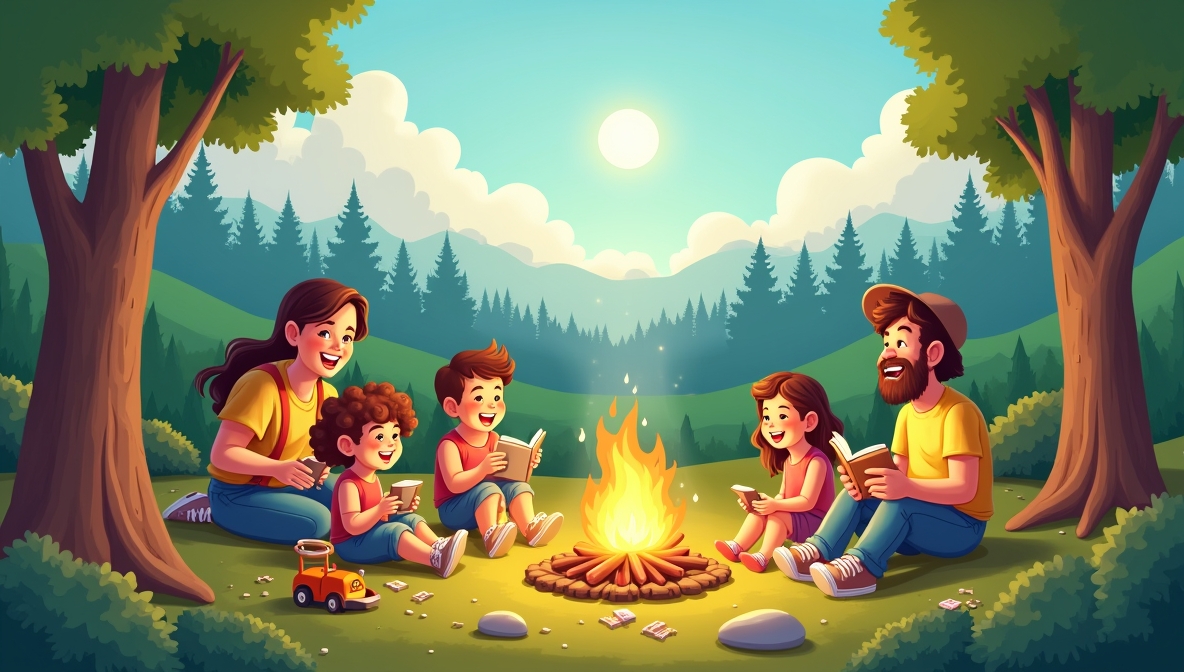
Campfire conversations, nature walks, stargazing, storytelling, and shared discoveries can strengthen family relationships in ways that are difficult to achieve through ordinary routines.
Children frequently remember these moments long after specific details of the trip have faded. The sense of adventure, togetherness, and discovery often becomes a cherished part of family history.
Conclusion
Camping with children can be an enriching experience that combines adventure, education, and family connection. Success depends largely on thoughtful preparation, realistic expectations, and a strong focus on comfort and safety. By selecting family-friendly destinations, planning engaging activities, preparing for changing conditions, teaching outdoor safety skills, and creating opportunities for exploration and independence, parents can help ensure that camping becomes a positive and memorable experience. With the right approach, family camping offers far more than a simple vacation—it becomes an opportunity to build confidence, strengthen relationships, and inspire a lifelong appreciation for the natural world.