
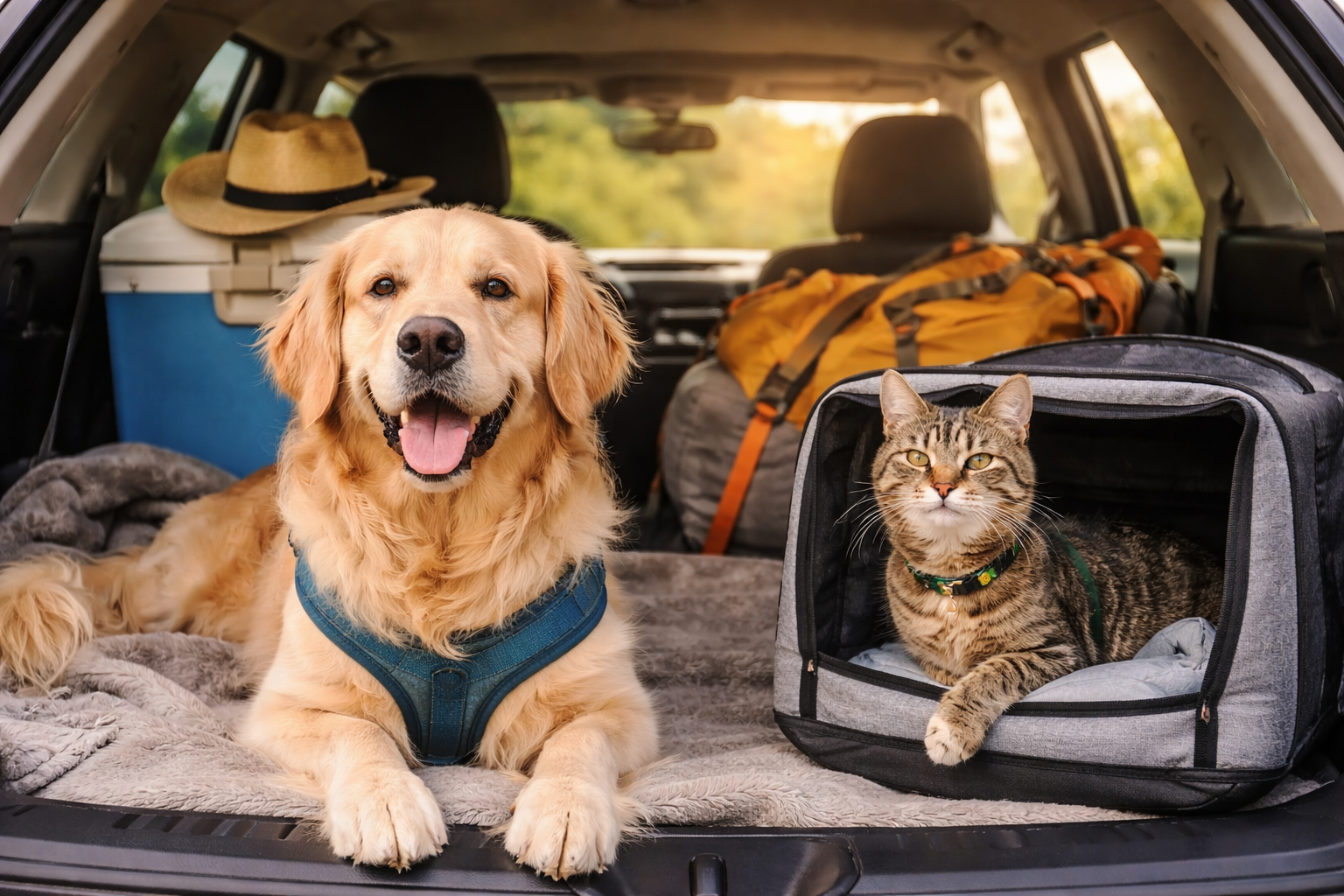
Click Here Before You Go: The Ultimate Guide to Safe and Stress-Free Road Trips with Pets
Traveling by car with pets can be one of the most rewarding ways to explore the world together, but it also comes with unique responsibilities. Dogs, cats, and other companion animals experience road trips very differently from humans. Unfamiliar sounds, motion, confined spaces, and long hours can create stress if trips are not planned carefully. With the right preparation, however, road trips with pets can be safe, comfortable, and even enjoyable for everyone involved.
Preparing Your Pet Before the Journey
Successful pet travel starts long before the engine turns on. A few weeks prior to the trip, it is important to assess your pet’s health and temperament. Older animals, pets with chronic conditions, or those prone to anxiety may need extra planning. A routine veterinary checkup ensures vaccinations are up to date and allows you to discuss motion sickness, anxiety, or special dietary needs.
Gradual acclimation to the car can make a major difference, especially for cats or dogs that rarely travel. Short practice drives help pets associate the vehicle with neutral or positive experiences. Using familiar bedding or a favorite toy during these rides creates a sense of safety and continuity.
Safety First: Securing Pets in the Vehicle
One of the most overlooked aspects of pet road travel is restraint. Unrestrained animals can become dangerous projectiles during sudden stops and may distract the driver. Dogs should be secured using crash-tested harnesses attached to seat belts or placed in well-ventilated crates sized appropriately for their body. Cats and small pets should always travel in sturdy carriers to prevent escape and injury.
Placing carriers on the back seat or cargo area, secured to prevent sliding, helps maintain stability. Pets should never ride in the front seat due to airbag risks, and under no circumstances should they be allowed to roam freely inside the car.
Managing Comfort on Long Drives
Just like people, pets need regular breaks. Plan stops every two to three hours to allow dogs to stretch, hydrate, and relieve themselves. Cats may not use litter boxes during travel, but offering access during longer stops can reduce stress. Fresh water should always be available, and collapsible bowls are a practical solution.
Temperature control is critical. Cars can heat up or cool down quickly, even during short stops. Proper ventilation, sunshades, and never leaving pets unattended in a parked vehicle are non-negotiable safety rules. Comfort also includes feeding schedules: avoid heavy meals right before driving to reduce nausea, and stick to familiar foods to prevent digestive issues.
Traveling with Cats: Special Considerations
Cats often find travel more stressful than dogs due to their strong attachment to territory. Keeping their environment predictable is key. Covering the carrier with a light, breathable cloth can reduce visual stimulation and anxiety. Pheromone sprays inside carriers may help some cats remain calmer.
It is important to ensure carriers are escape-proof, as frightened cats may bolt if doors are opened unexpectedly. Microchipping and secure ID tags provide an additional layer of protection in case of accidental escape during stops.
Essentials to Pack for Pet Road Trips
A well-prepared pet travel kit includes food, treats, water, bowls, medications, waste bags, grooming wipes, towels, and copies of veterinary records. A basic pet first-aid kit can be invaluable in remote areas. Familiar items such as blankets or toys provide emotional comfort and help pets relax in new environments.
For overnight stays, research pet-friendly accommodations in advance. Even pet-friendly hotels may have size or breed restrictions, so confirming policies ahead of time prevents unnecessary stress upon arrival.
Reducing Anxiety and Behavioral Stress
Some pets experience anxiety during travel despite careful preparation. Calm behavior from owners plays a significant role in how animals respond. Speaking softly, maintaining routines, and avoiding overstimulation help create a sense of normalcy.
In certain cases, veterinarians may recommend natural calming supplements or prescription medications. These should always be tested before the main trip to monitor reactions. Music designed for pets or quiet ambient sounds may also help reduce stress for sensitive animals.
Arriving Safely and Settling In
Once you reach your destination, give your pet time to adjust. Set up a familiar sleeping area, offer water, and allow exploration at their own pace. Maintaining feeding and walking schedules similar to home routines helps pets settle faster and feel secure in a new environment.
Road trips with pets are not just about transportation; they are shared experiences that strengthen bonds. When safety, comfort, and emotional well-being are prioritized, traveling with dogs, cats, and other companions becomes a fulfilling adventure rather than a challenge.
With thoughtful planning and respect for your pet’s needs, the open road can be a place of discovery for every member of the family—four-legged ones included.