
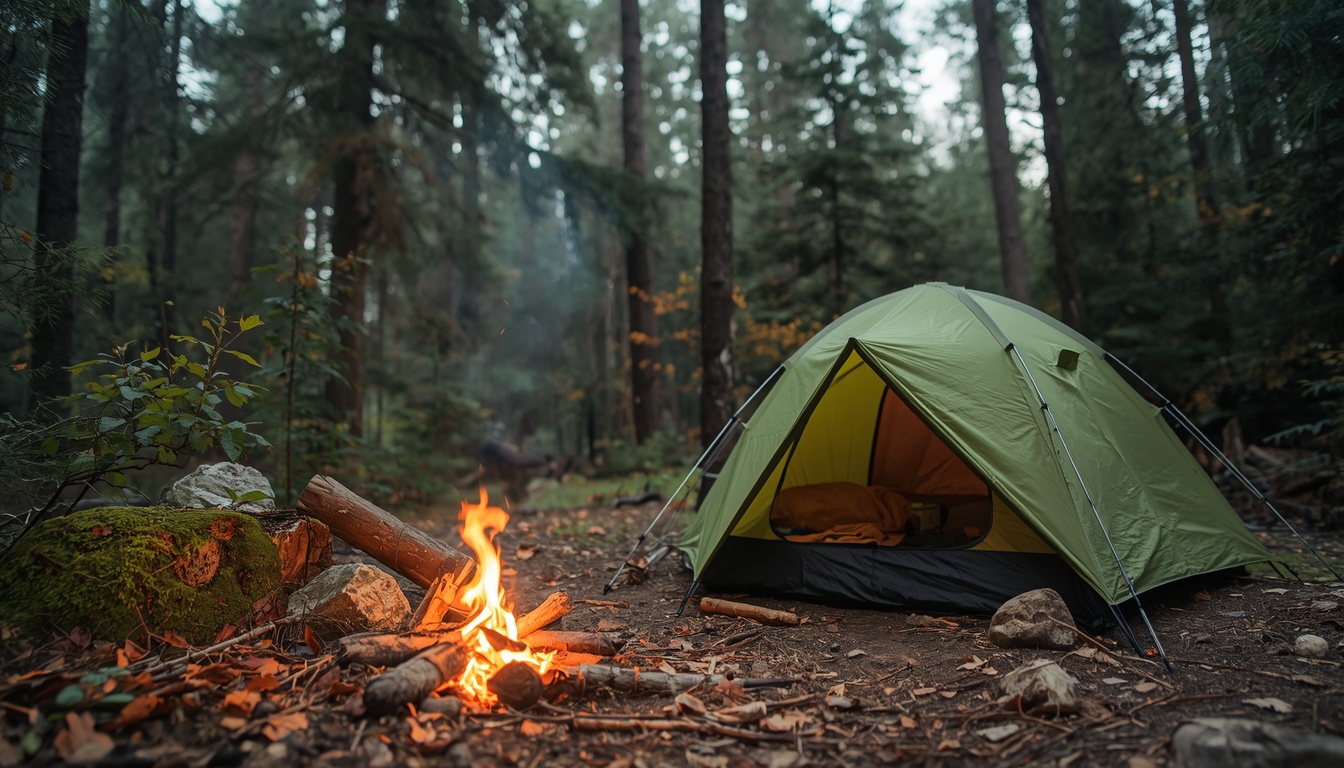
Eco-Camping: How to Minimize Your Impact on Nature with Leave No Trace Principles
Camping offers a unique opportunity to disconnect from busy daily routines and reconnect with nature. Whether you are pitching a tent in a national park, spending a weekend beside a lake, or hiking deep into the wilderness, every outdoor adventure leaves some kind of footprint. The good news is that thoughtful planning and responsible habits can dramatically reduce that impact.
Eco-camping is about enjoying nature while preserving it for future visitors, wildlife, and local ecosystems. It encourages campers to make environmentally responsible decisions before, during, and after every trip. By following the widely recognized Leave No Trace principles, choosing biodegradable products carefully, and adopting sustainable camping practices, outdoor enthusiasts can help protect the places they love.
What Is Eco-Camping?
Eco-camping is an environmentally conscious approach to camping that aims to minimize waste, conserve natural resources, protect wildlife, and reduce disturbance to ecosystems.
Rather than focusing only on recycling, eco-camping considers every stage of a trip, including transportation, campsite selection, cooking, waste disposal, water use, and interactions with plants and animals.
The goal is simple: leave the campsite looking as though no one had ever been there.
Understanding the Leave No Trace Principles
The Leave No Trace philosophy is built around seven core principles that encourage responsible outdoor recreation.
1. Plan Ahead and Prepare
Preparation helps prevent many environmental problems before they occur.
Research local regulations, weather conditions, available facilities, and fire restrictions before leaving home. Packing the proper equipment reduces the need for improvisation that could damage the environment.
Bringing reusable containers, refillable water bottles, and durable camping equipment also minimizes waste during the trip.
2. Travel and Camp on Durable Surfaces
Whenever possible, stay on established trails and camp only in designated campsites or on durable surfaces such as gravel, rock, dry grass, or packed soil.
Avoid creating new paths or expanding existing campsites by moving furniture, clearing vegetation, or trampling sensitive plants.
Concentrating activity in already-used areas helps preserve surrounding habitats.
3. Dispose of Waste Properly
One of the most important rules of eco-camping is simple: pack out everything you bring in.
Dispose of litter responsibly and never leave food scraps, plastic, cans, or cigarette butts behind. Even biodegradable food waste can attract wildlife and alter natural animal behavior.
When camping in remote areas without restroom facilities, follow local guidelines for human waste disposal to protect water sources and surrounding ecosystems.
Choosing Biodegradable Camping Products
Many campers choose biodegradable soaps, shampoos, and cleaning products to reduce environmental impact.
While these products break down more readily than conventional alternatives, they should still be used responsibly.
Even biodegradable soap should never be used directly in rivers, lakes, or streams. Instead, collect water in a container, wash well away from natural water sources, and dispose of wastewater according to local recommendations.
Look for products that are:
- Phosphate-free.
- Plant-based.
- Fragrance-free or lightly scented.
- Free from unnecessary dyes.
- Packaged in recyclable or refillable containers when possible.
Using only the amount needed further reduces environmental impact.
Reduce Single-Use Plastic
Disposable products generate unnecessary waste during outdoor trips.
Simple alternatives include:
- Reusable water bottles.
- Stainless steel or insulated mugs.
- Cloth shopping bags.
- Reusable food containers.
- Metal cutlery.
- Washable dishcloths.
- Refillable toiletry bottles.
Preparing meals at home before departure can also reduce excessive food packaging.
These small changes significantly decrease the amount of trash that must be carried out.
Respect Wildlife
Observing wildlife is often one of the highlights of camping, but responsible observation requires distance and restraint.
Never feed wild animals, even if they appear friendly or accustomed to people.
Human food can disrupt natural diets, encourage dependence on visitors, and increase dangerous encounters.
Store food securely using appropriate containers or designated food lockers where available.
Maintain a respectful distance when photographing animals and avoid approaching nests, dens, or young offspring.
Healthy wildlife should remain wild.
Build Campfires Responsibly
Campfires create memorable experiences, but they also pose environmental risks.
Whenever possible, use existing fire rings provided by campground managers rather than creating new fire sites.
Observe local fire regulations and seasonal restrictions carefully.
Keep fires small, burn only approved firewood, and ensure fires are completely extinguished before leaving or going to sleep.
In areas where campfires are prohibited or environmentally sensitive, portable camping stoves often provide a safer and more sustainable cooking option.
Conserve Water
Freshwater resources are valuable, particularly in remote natural areas.
Reduce water consumption by:
- Washing dishes efficiently.
- Turning off water taps immediately after use.
- Collecting only the water you need.
- Using reusable cloths instead of disposable wipes whenever practical.
Small efforts by individual campers contribute to preserving water supplies for ecosystems and future visitors.
Choose Sustainable Camping Equipment
Quality camping gear that lasts for many years generally has a lower environmental impact than frequently replacing inexpensive products.
When purchasing equipment, consider durability, repairability, and responsible manufacturing practices.
Useful choices include:
- Long-lasting tents.
- Rechargeable lanterns.
- Solar-powered chargers.
- Repair kits for equipment.
- Refillable fuel systems where appropriate.
Maintaining gear properly extends its lifespan and reduces unnecessary waste.
Travel Responsibly
Transportation often represents one of the largest environmental impacts associated with camping.
Whenever practical:
- Carpool with friends or family.
- Choose campsites closer to home.
- Combine multiple destinations into one journey.
- Use bicycles or walk within camping areas rather than driving short distances.
Reducing fuel consumption benefits both the environment and travel budgets.
Teach Children Environmental Stewardship
Camping provides an excellent opportunity to introduce children to responsible outdoor behavior.
Encourage them to:
- Pick up litter.
- Stay on marked trails.
- Respect wildlife.
- Conserve water.
- Appreciate plants without picking them unnecessarily.
Hands-on experiences in nature help build lifelong environmental awareness and respect.
When children participate in protecting natural spaces, they often develop stronger connections with the outdoors.
Leave the Campsite Better Than You Found It
An excellent eco-camping habit is leaving every campsite slightly cleaner than when you arrived.
If it is safe to do so, collect any litter left behind by previous visitors and dispose of it properly.
This simple act contributes to cleaner parks, healthier wildlife habitats, and a more enjoyable experience for future campers.
Small individual actions become meaningful when practiced consistently by many outdoor enthusiasts.
Conclusion
Eco-camping is not about sacrificing comfort or enjoyment—it is about making thoughtful choices that allow nature to remain healthy and beautiful for generations to come. By following the Leave No Trace principles, using biodegradable products responsibly, reducing waste, respecting wildlife, conserving water, and investing in sustainable camping equipment, every camper can significantly reduce their environmental footprint.
The outdoors provide opportunities for adventure, relaxation, and discovery. Protecting these landscapes is a shared responsibility. Every reusable bottle, every piece of litter packed out, every careful campsite choice, and every respectful interaction with nature helps preserve forests, mountains, rivers, and coastlines so that future visitors can enjoy the same unforgettable experiences in an environment that remains vibrant, healthy, and wild.